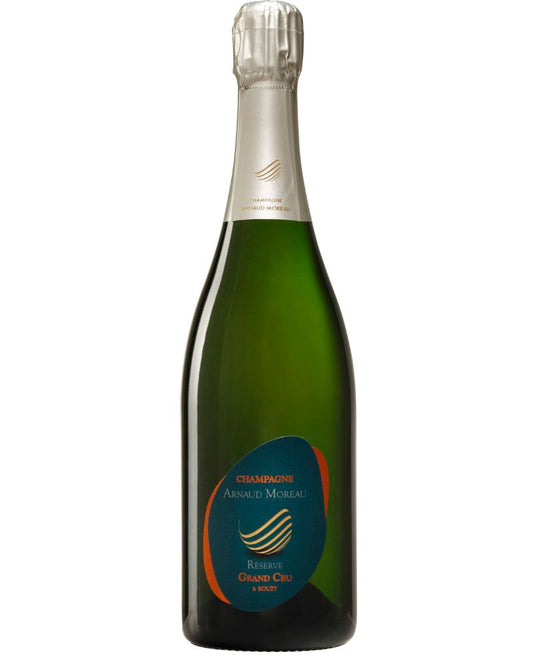
Collection: New Year's Champagne
Small, family grape growers have always been the backbone of the Champagne region. In the past, most of them sold their grapes to the Big Houses, who can but often don't have their own vineyards. But from the 1960s–1980s, a small group of families began keeping part of their harvest to bottle under their own names, setting the philosophical groundwork for the grower movement. The movement grew steadily during the 1990s and exploded in the 2000s, thanks to influential sommeliers championing the wines and shifting consumer tastes toward smaller and organic farming practices.
Grower or Artisanal Champagnes are known to be more terroir focused rather than the “house style” the Big Houses depend on. These Artisanal Champagnes often come from single vineyards and are made with grapes that differ from vintage to vintage. They are less about consistency and more about the character of the terroir of specific vineyards as well as the talents and passions of individual winemakers.
How can you tell the difference? Look at the back label. Champagnes from the Big Houses are labeled as NM for Négociant‑Manipulant (House/Big Brand), while Grower Champagnes are labeled as RM — Récoltant‑Manipulant (Grower‑Producer). You can also find Artisanal Champagnes made by cooperatives which carry the label CM (Coopérative-Manipulant) or RC (Récoltant-Coopérateur).